Coronary Artery Bypass Grafting (CABG) is a common open-heart surgery used to treat severe coronary artery disease by improving blood flow to the heart. Surgeons take healthy blood vessels from the chest, leg, or arm to create a detour around blocked arteries.
Heart valve replacement surgery replaces a damaged or diseased heart valve (aortic, mitral, or tricuspid) with a mechanical or biological valve, often required when a valve cannot be repaired.
Minimally Invasive Cardiac Surgery (MICS) is a specialized approach that treats heart conditions through small chest incisions (2–4 inches) rather than a traditional large sternotomy, often utilizing robotic systems or thoracoscopic cameras.
Trans-axillary surgery is a minimally invasive approach utilizing a small incision in the underarm (axilla) to access the thoracic outlet, heart, or thyroid.
Aorta surgery repairs life-threatening conditions like aneurysms (weakened, bulging walls) or dissections (tears) in the body's main artery.
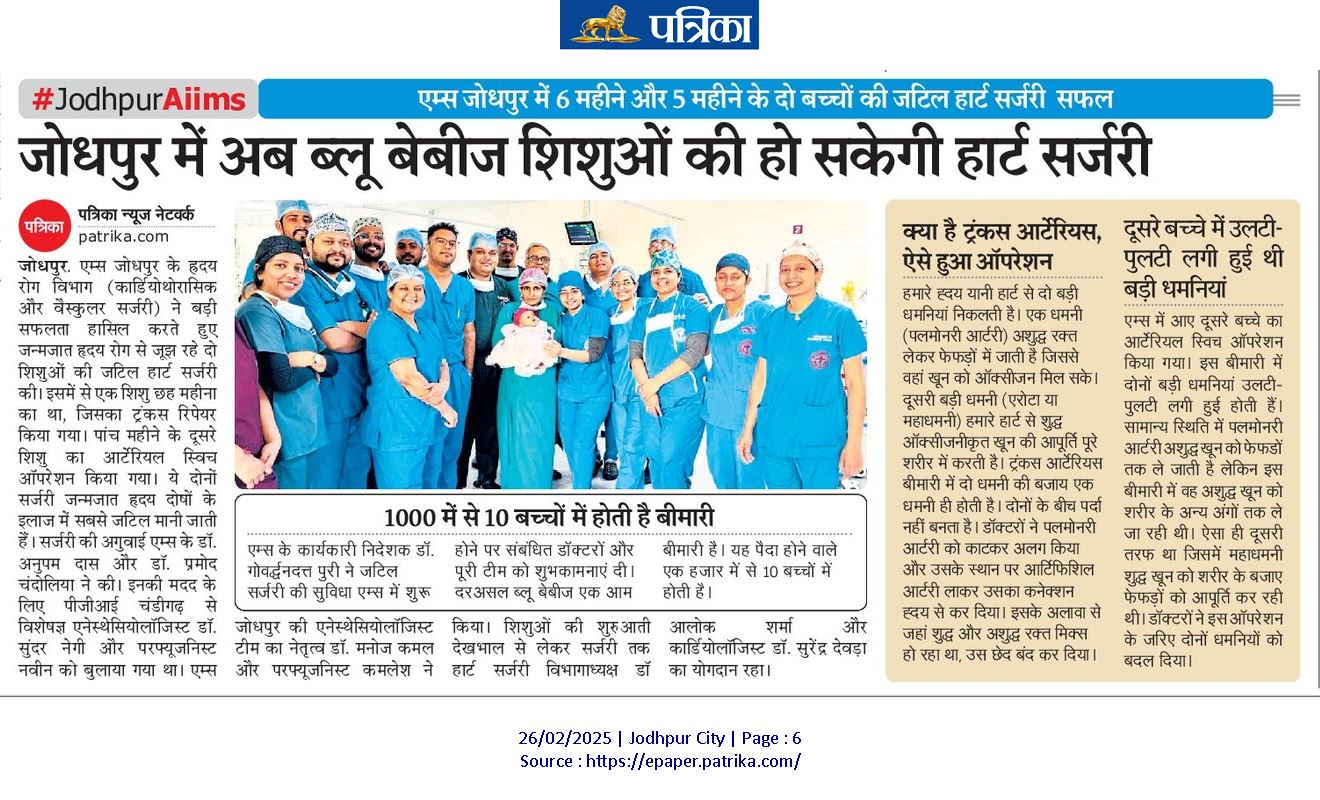
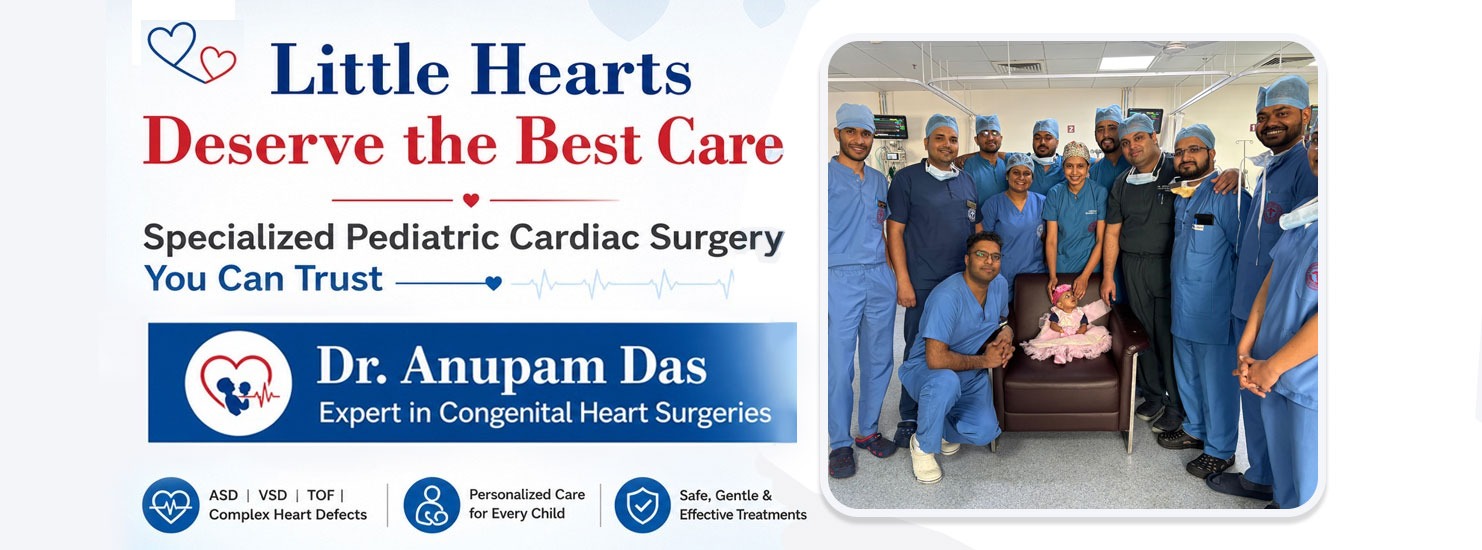
Congenital heart surgery repairs heart defects present at birth, such as atrial septal defects (ASD) or ventricular septal defects (VSD), by closing holes to normalize blood flow.
0+ Yrs Experience
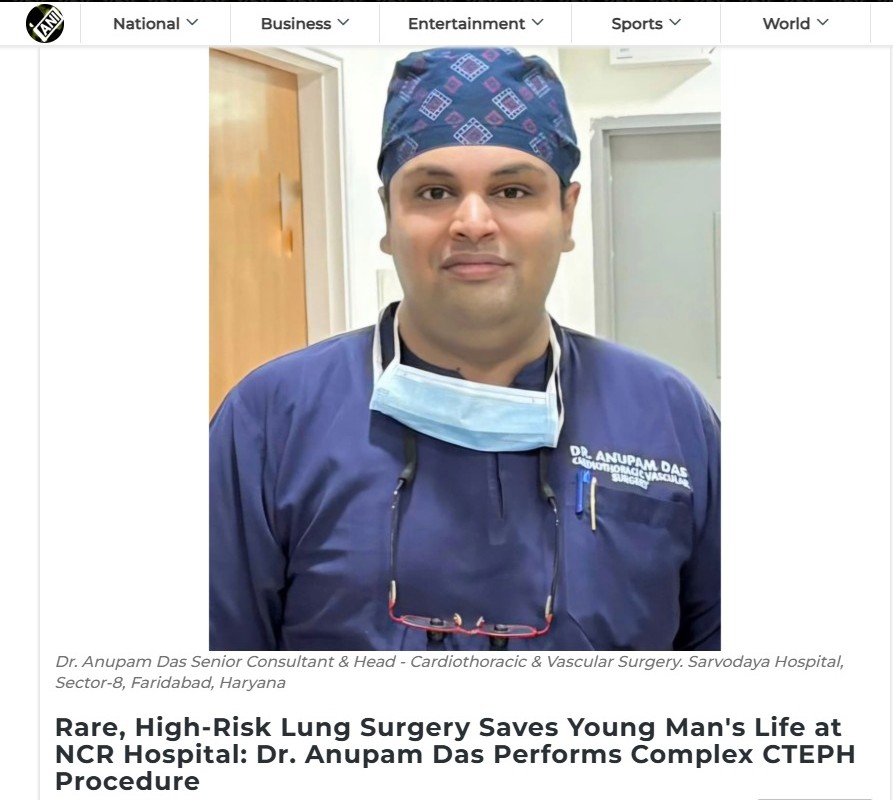
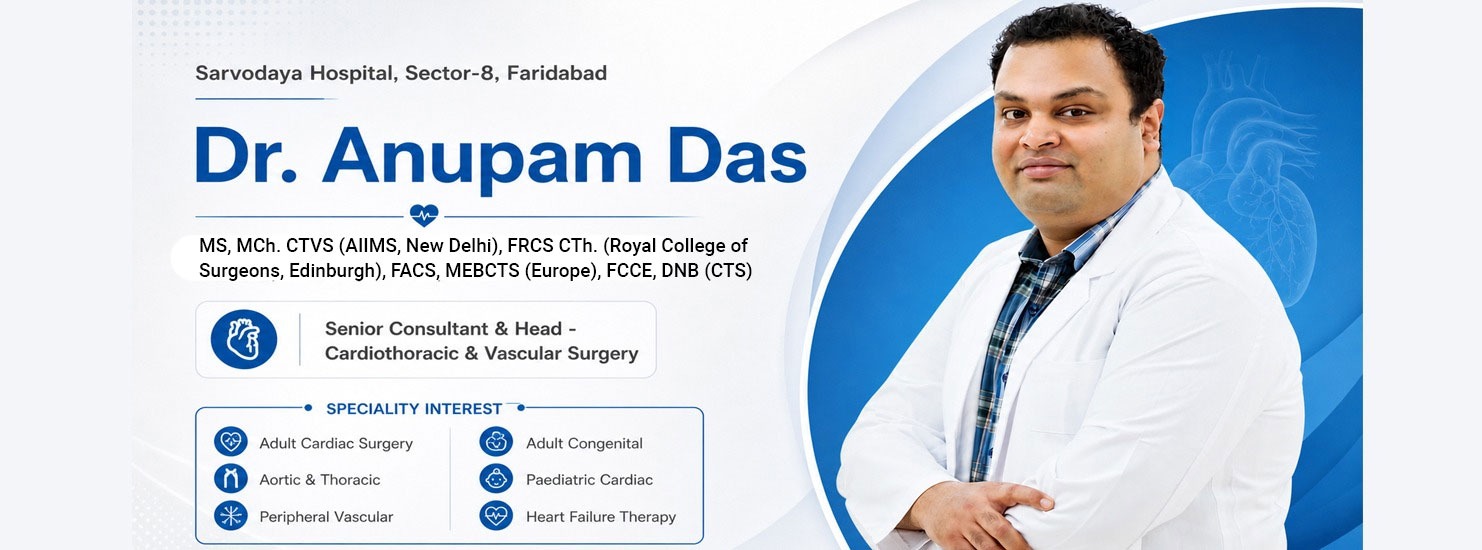
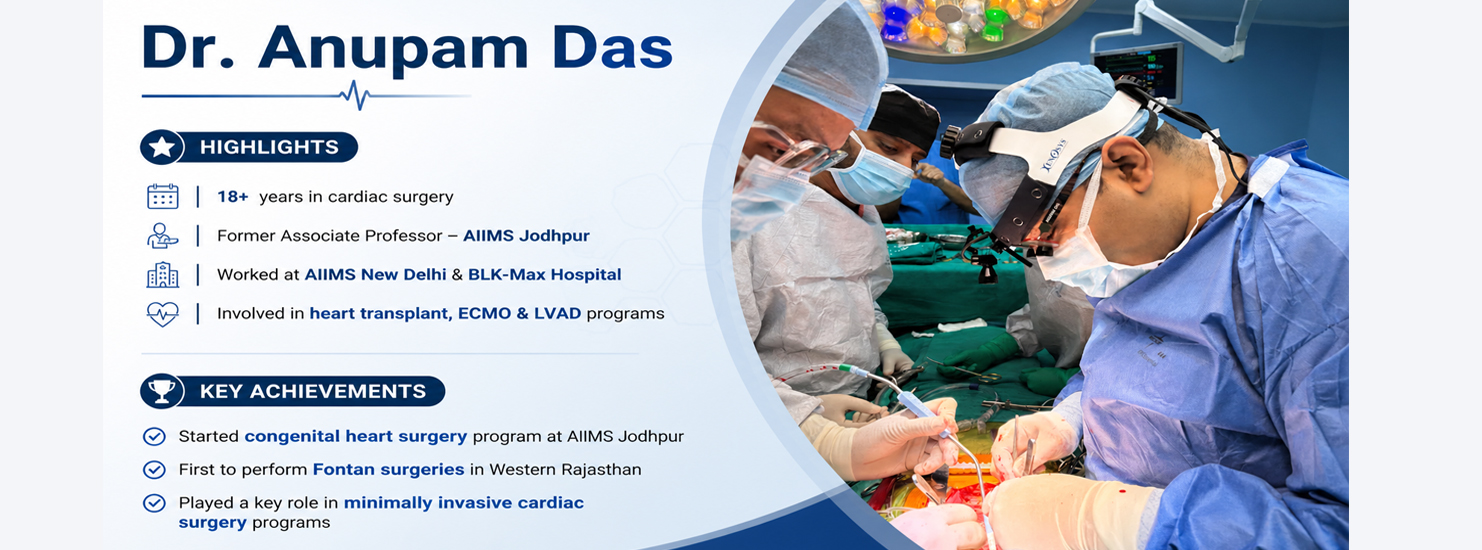
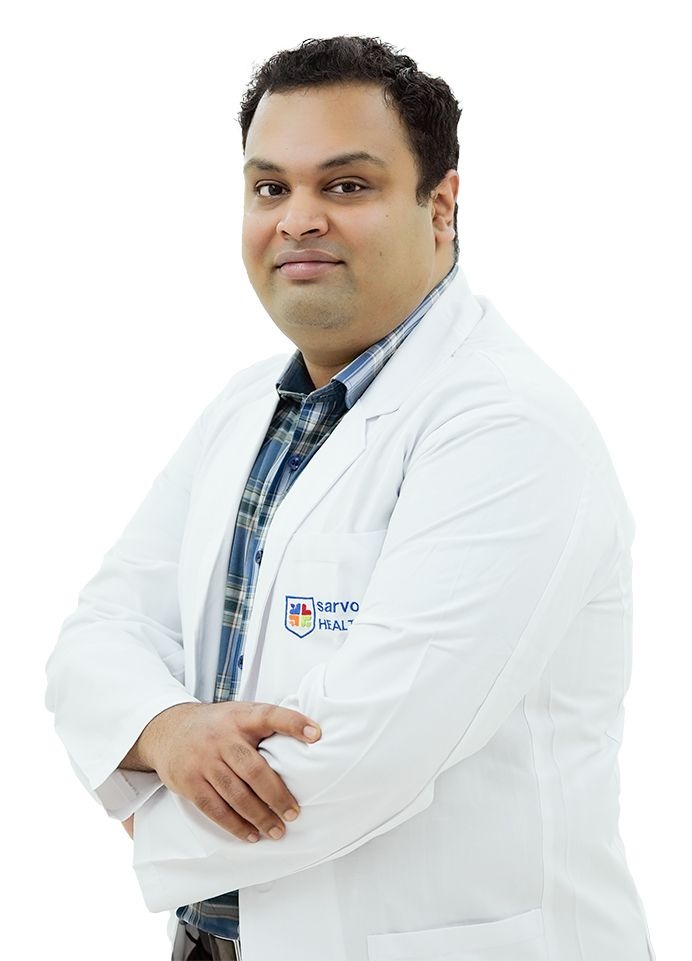
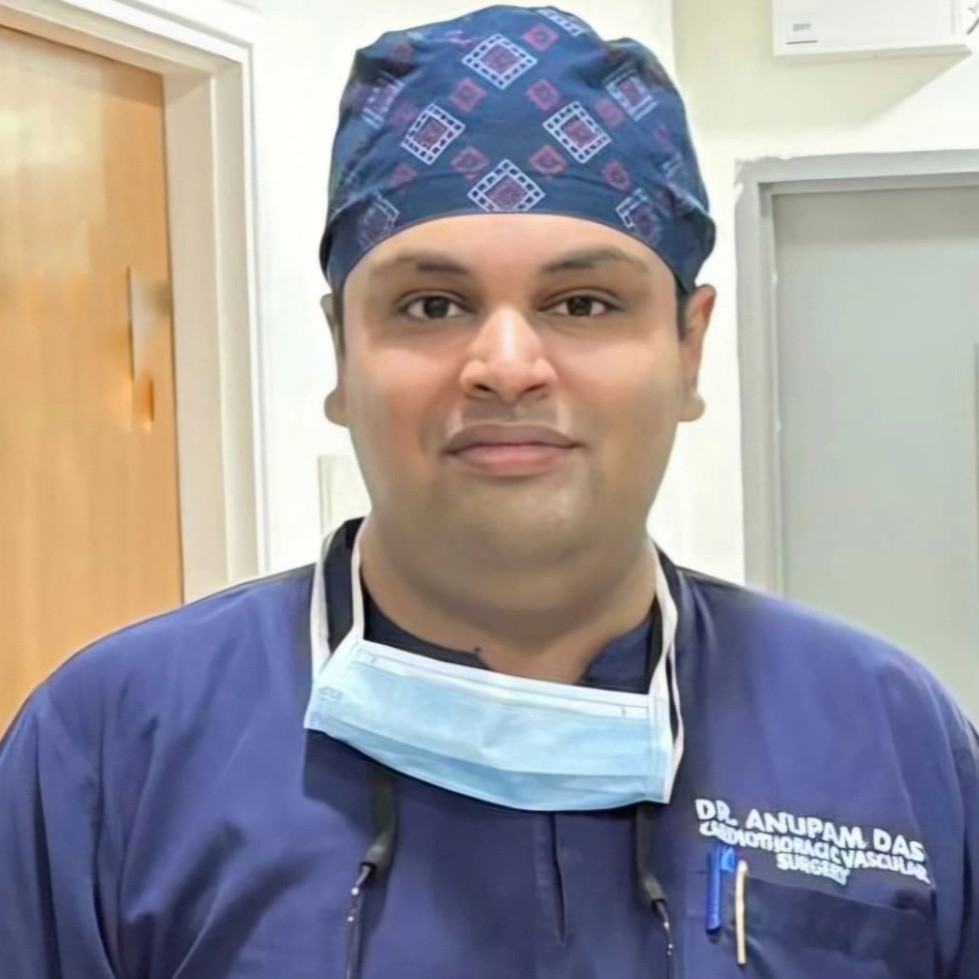
Dr. Anupam Das is a highly accomplished Cardiothoracic & Vascular Surgeon with extensive qualifications including MBBS, MS (General Surgery), MRCS (Edinburgh), MCh from AIIMS - New Delhi, FRCS from Royal College of Surgeons- Edinburgh, Fellowship- American College of Surgeons. He has pioneered complex congenital heart surgery programs and minimally invasive cardiac surgery techniques. With over 2000 adult and congenital heart surgeries to his credit, Dr. Das specializes in advanced cardiac procedures, transplantation, and mechanical circulatory support systems.
Areas of Expertise
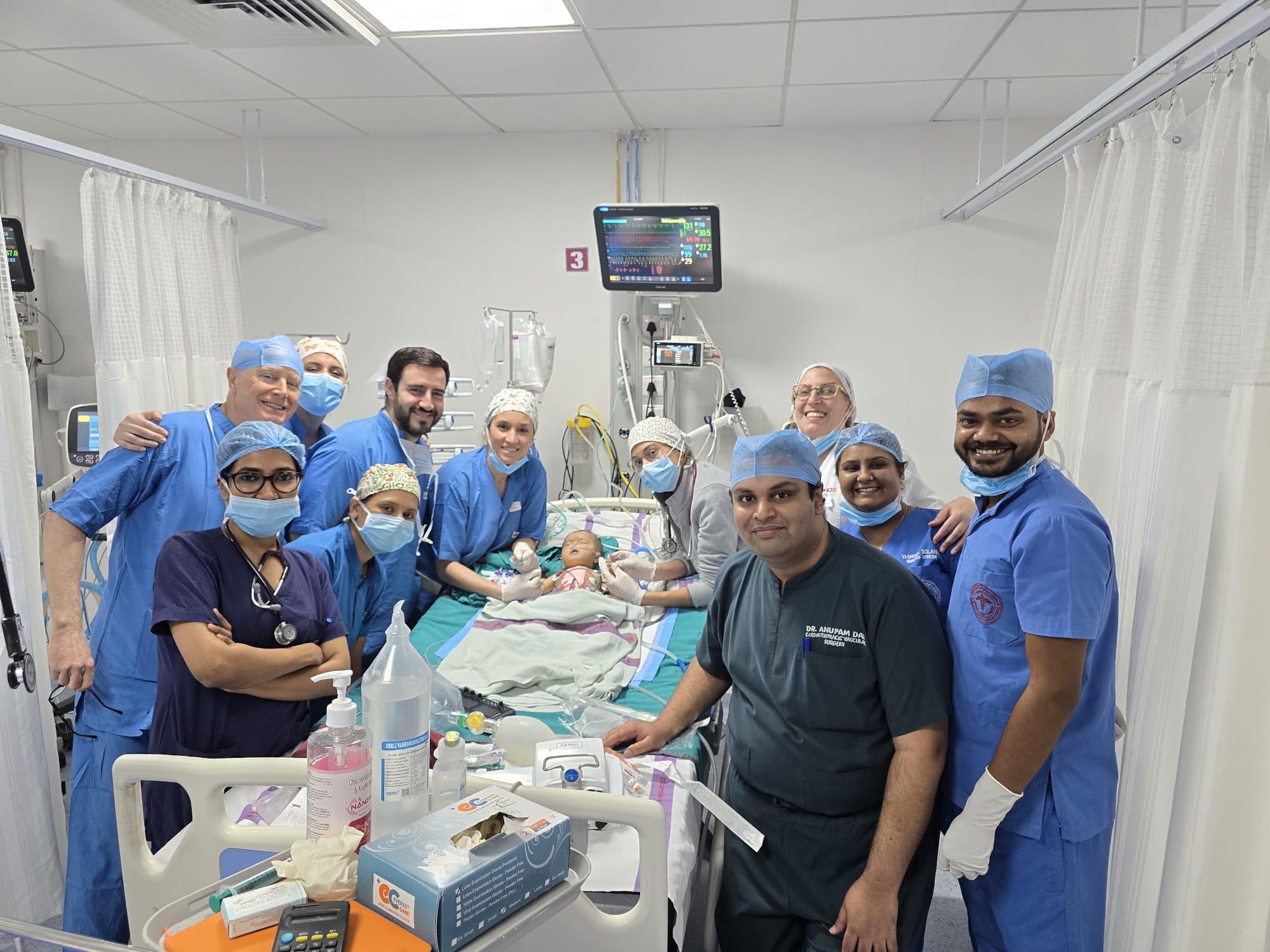
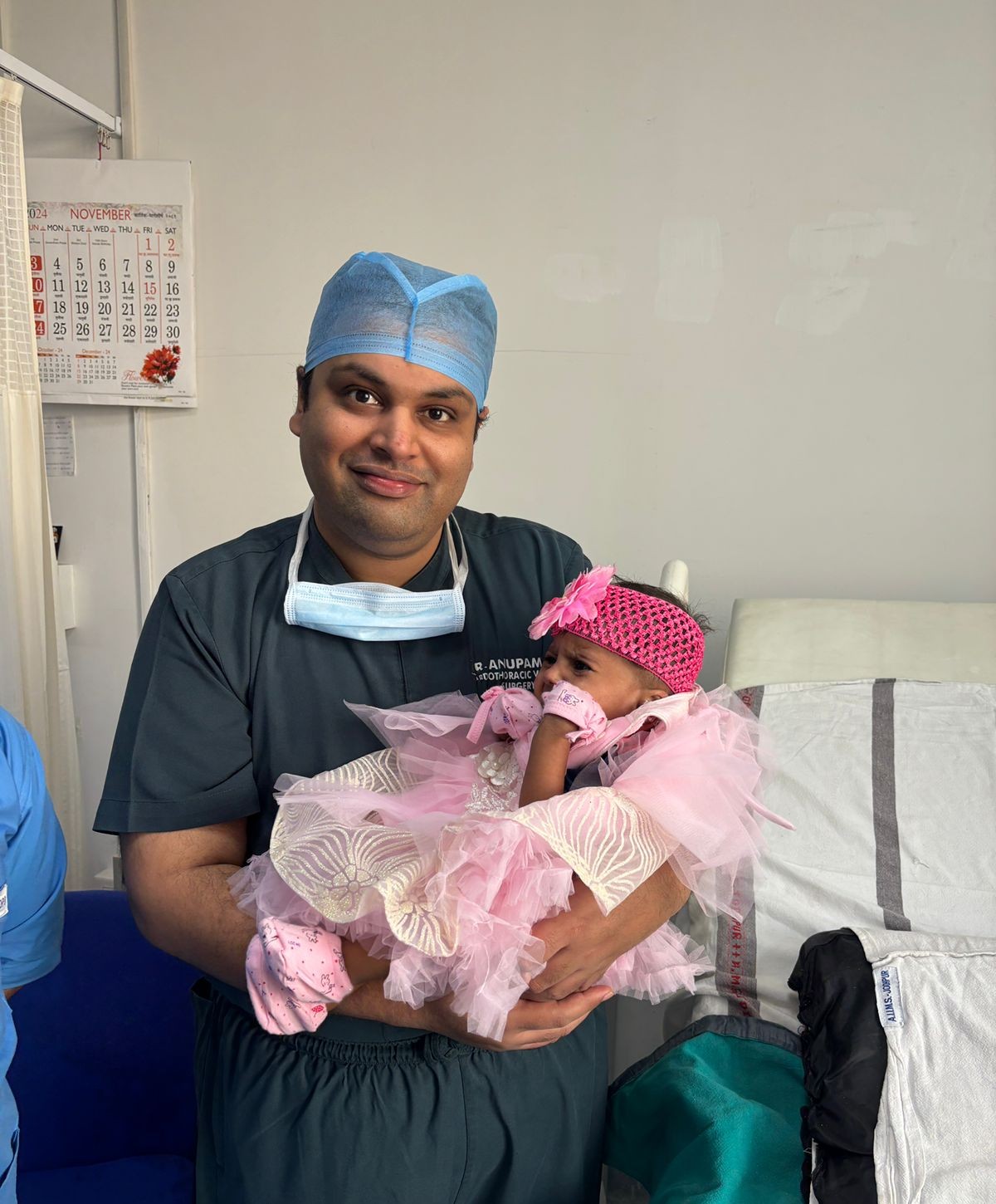
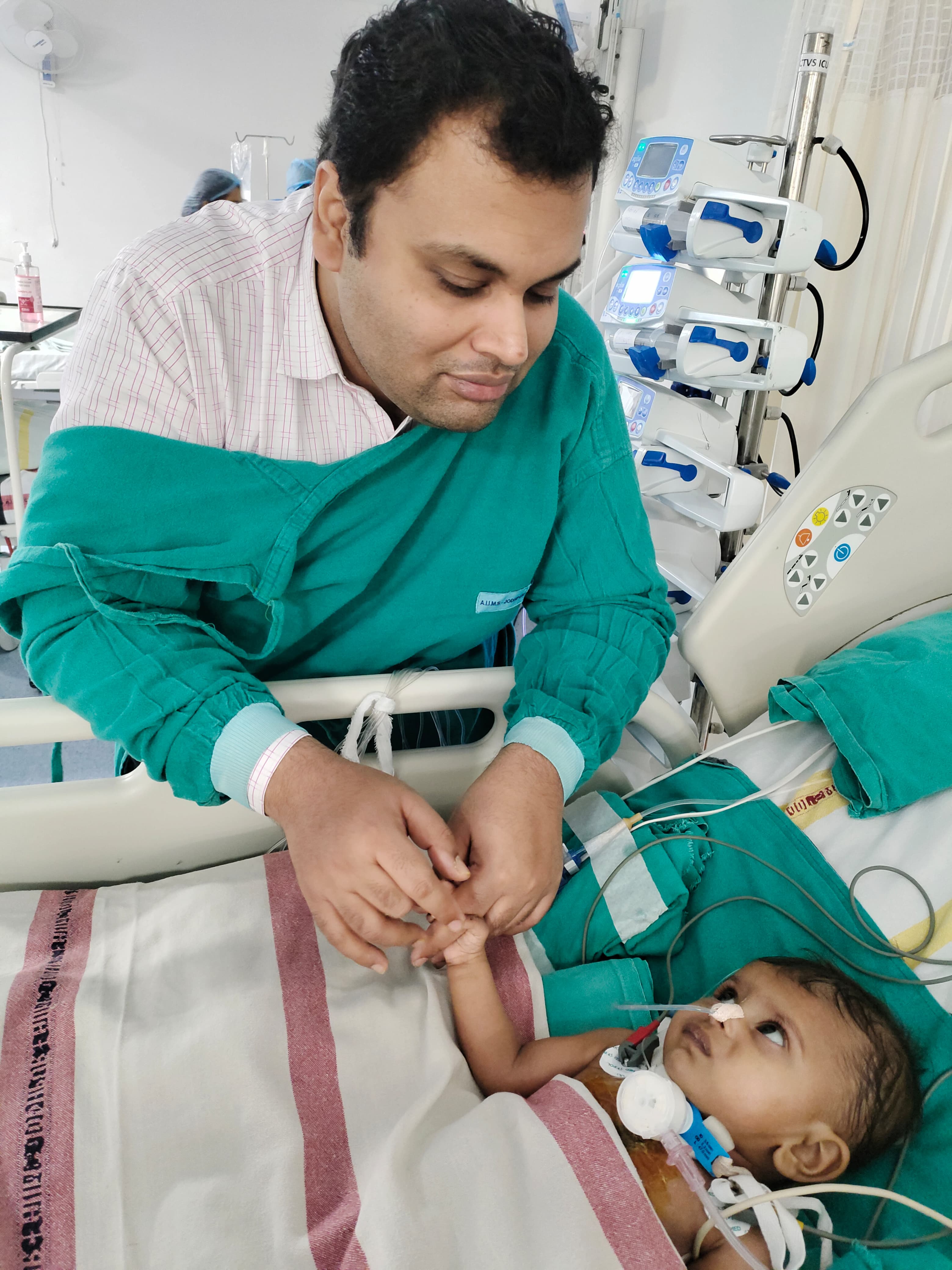
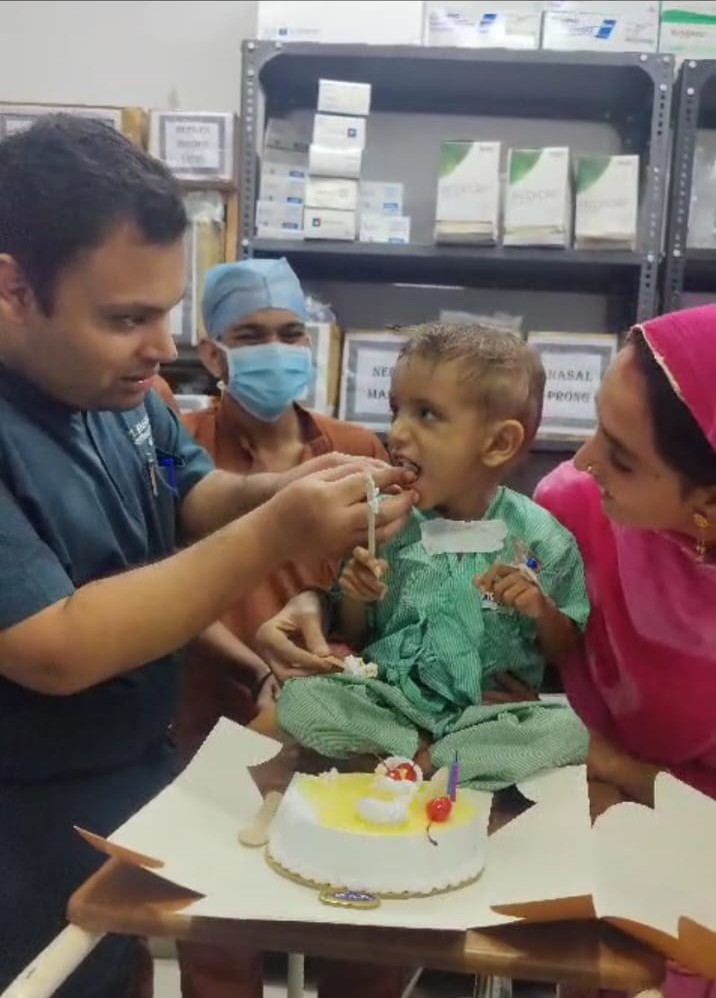
A cardiothoracic and vascular surgeon treats problems related to the heart, lungs, and blood vessels, including blocked heart arteries, heart valve issues, lung diseases, and circulation problems.
See a specialist if you have chest pain, difficulty breathing, leg swelling, or if your doctor indicates a heart or blood vessel problem that may need surgery.
No. Many heart conditions are managed with medicines and lifestyle changes; surgery is recommended when other treatments fail or the condition is serious.
Heart surgery is safer than before due to advanced technology and skilled teams; while risks exist, most procedures have good outcomes.
Bypass surgery creates a new path for blood to flow around blocked heart arteries, improving blood supply and reducing chest pain.
Recovery depends on the surgery type; most feel better within weeks and fully recover in a few months with proper care.
Yes. Most patients return to normal, active lives after recovery by following medical advice, taking medications, and maintaining a healthy lifestyle.
Symptoms include leg pain when walking, numbness, cold feet, slow-healing wounds, or swelling, indicating poor circulation.
Yes. Many vascular issues respond to medicines, lifestyle changes, or minimally invasive procedures like angioplasty, based on severity.
Maintain a healthy diet, exercise, avoid smoking, control blood pressure and blood sugar, and attend regular check-ups.
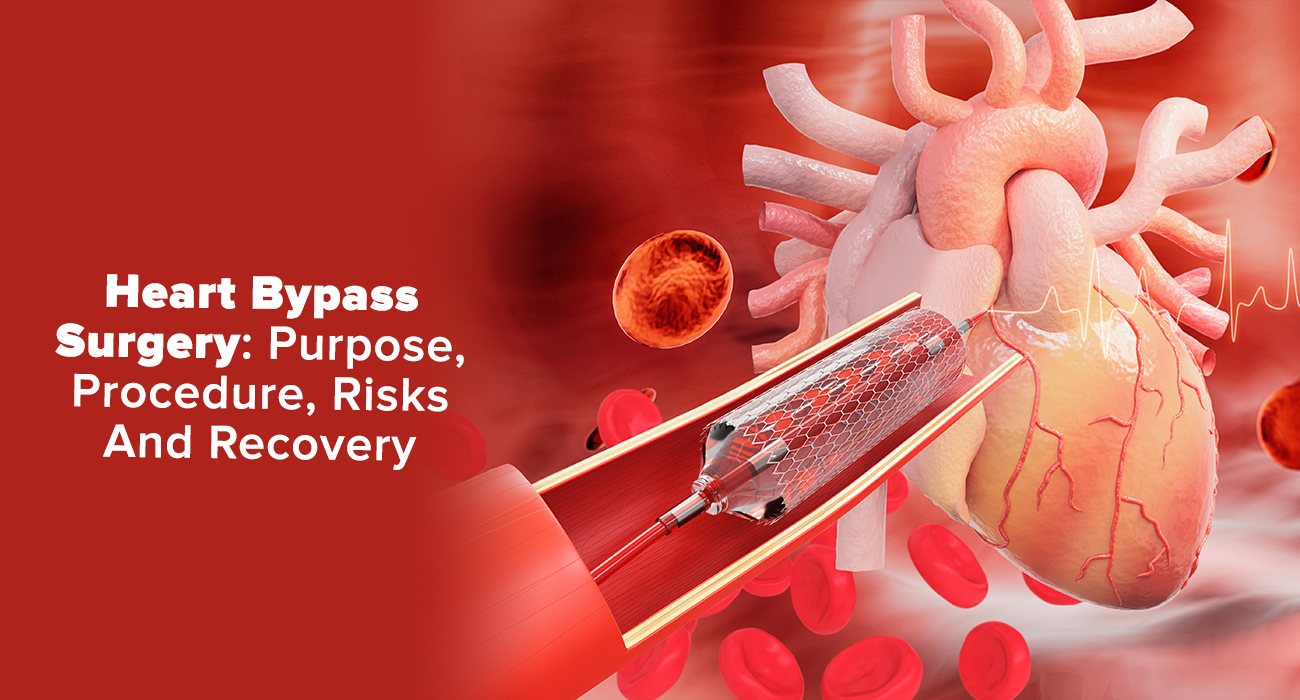
Heart disease is one of the leading causes of death worldwide, and one of the most common life-saving procedures for advanced heart conditions is Coronary Artery Bypass Grafting (CABG). But the big question many patients ask is: When do you actually need bypass surgery?

Hearing that a baby may need heart surgery can be overwhelming for any parent. However, thanks to major advances in pediatric cardiac care, many heart surgeries in infants are now safe, effective, and life-saving. Understanding how and why these procedures are performed can help ease concerns and empower families to make informed decisions.
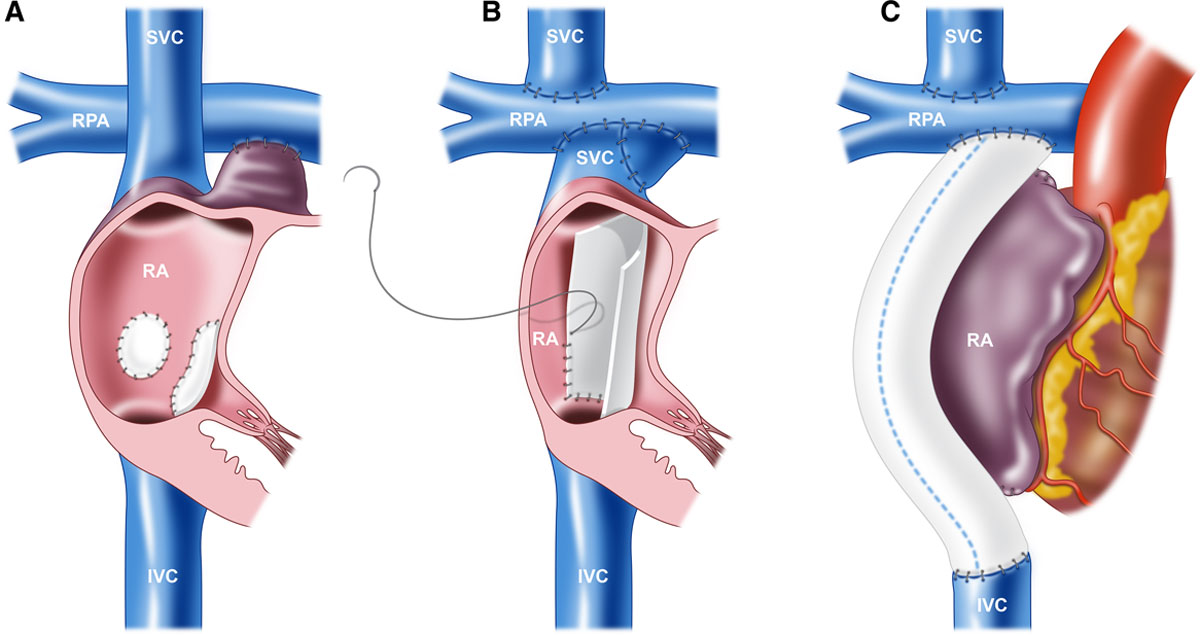
For children born with complex heart defects, modern medicine offers remarkable solutions that can significantly improve survival and quality of life. One such breakthrough is the Fontan Procedure—a specialized surgery designed for patients with certain types of congenital heart disease.